Tuesday, 10:06
October 28, 2025
Hi, and welcome to the third Letter by Parallel Atelier
Even today, I'm sitting in my office chair, in front of the screen.
As I write, the sun is shining outside the window, though I admit it's starting to get chilly, even if that biting cold I love so much isn't here yet.
Before continuing, a brief recap of the previous installment:
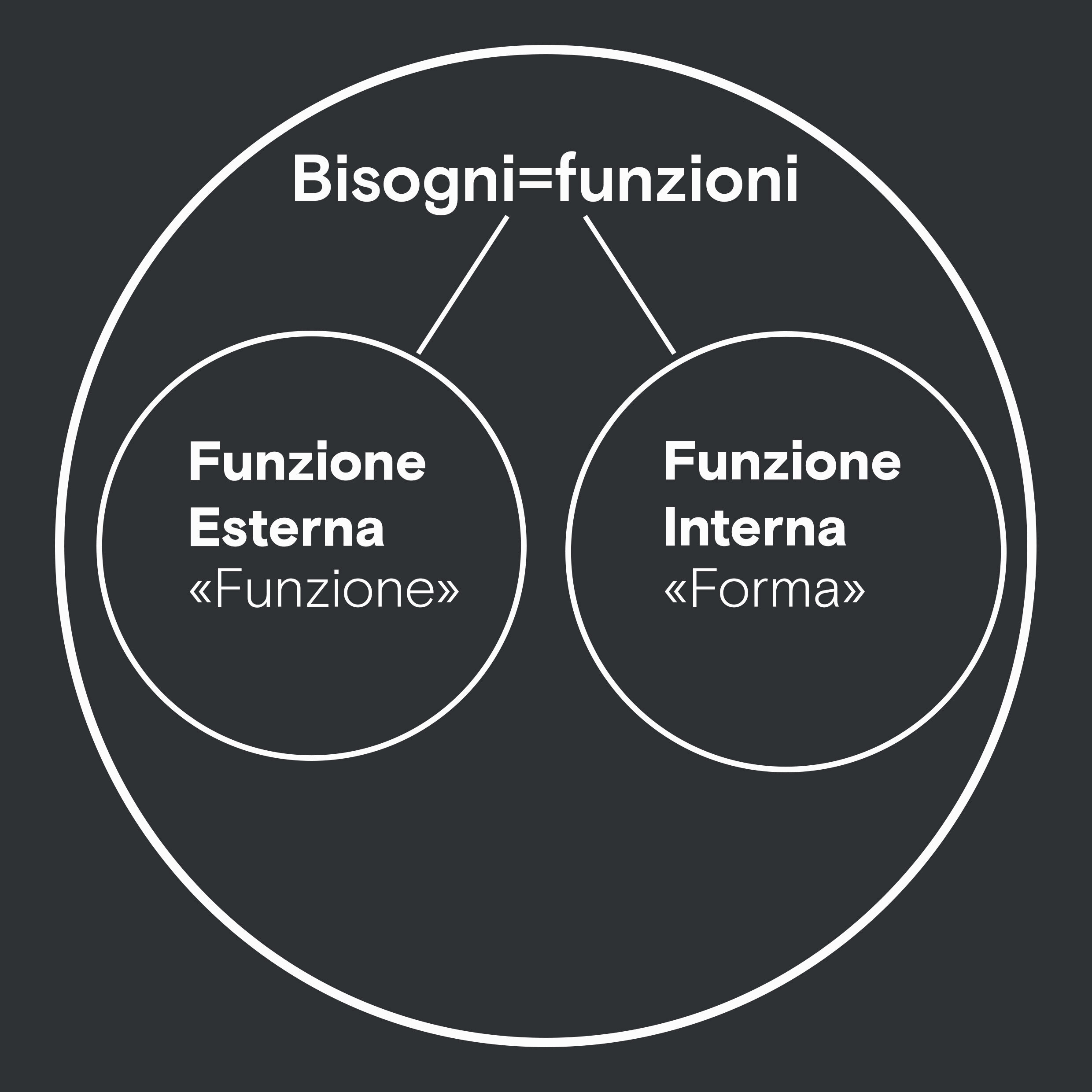
we saw that «Form is function», distinguishing between:
- External Function (physiological and practical needs of the body: doors, bathrooms, roof, circulation, etc.)
- Internal Function (symbolic and psychological needs: warmth, shelter, security, atmosphere, calm).
You can read the entire Letter by clicking here.
Today, however, I want to talk about a piece of my journey concerning a particular question:
You must have walked down the street, looked around (especially in a new place), and thought things like:
- «I don't feel safe here.»
- «Better walk fast.»
- «Wow, what an ugly place.»
- «It's really a dump.»
- «I would never live here.»
- «I can't wait to leave.»
All accompanied by that unpleasant feeling in your stomach, a mixture of discomfort, annoyance, and insecurity that makes you feel unwell.
In this regard, I want to share a piece of my story with you, particularly from when I was a child.
Looking back, it seems to me that, deep down, my path was always laid out (even if along the way, it didn't seem clear at all).
I remember living on the outskirts, between an industrial area and a state road, and, looking out the window, the view was anything but uplifting!
A gray warehouse here, a gray warehouse there, a few apartment buildings, those we defined in the first Letter as «boring boxes» with different shades of gray, a gray concrete road on which trucks and cars, strictly white, black, or gray, ran all day long.
In short: a sea of more or less identical gray cartons resting on a gray road jammed at rush hour by gray cars.
And if we add the gray winter of the Po Valley, jackpot!
There was a gas station, which was red (it was an Esso station, I remember it well), perhaps the only color truly present.
I must tell you the truth, maybe I was too sensitive a child, but I didn't look out the window much because what I saw saddened me and put me in a bad mood!
In short, it was a place where I didn't feel good, that bothered me, and from which I couldn't wait to leave.
(If you're among those, like me, who don't feel comfortable in hospitals, more or less that was the feeling).
That was my first direct experience of the impact of prolonged exposure to a certain type of built environment.
(Now that I think about it, it took me almost 30 years to get scientific confirmation for a gut feeling I already had as a child).
Neuroscience and Biophilia
What do we know about the relationship between buildings and us?
“We shape our buildings; thereafter they shape us.”
—Winston Churchill
Today, environmental psychology confirms those childhood «gut feelings».
Indeed, we know that:
- The scarcity of green spaces.
- Excessive urbanization and high road density (traffic).
- Pollution.
- Noise.
- Lack of a neighborhood community.
Act as stressors on the body and that, if chronic, can generate mental health problems such as:
- Depressive states.
- Anxiety states.
- Emotional instability.
But not only that: from biophilia (the discipline that studies the human-nature bond) at least one other important stress factor emerges:
- The geometry of the building.
To explain it briefly:
I hinted at our brain's predictive capabilities; well: our brain relaxes when it «knows what to expect».
In particular, it loves to recognize patterns.
When you listen to a song, its rhythm and melody are patterns your brain can recognize and anticipate: you know when the piece is about to explode or fade, but even though you already know, when the moment comes, you are satisfied!
This triggers the release of dopamine, a neurotransmitter associated with the sensation of pleasure.
(Yes, that «bad and evil» thing everyone accuses today).
And not only that: it makes us more intelligent and efficient, a bit like «oiling» the gears.
For example, when you do crossword puzzles, you struggle a lot at first, then there comes a moment when you get two or three in a row, and suddenly, the others start to come easy.
That's dopamine in action!
Your brain «is happy» because it has started to understand the patterns, dopamine kicks in and «lubricates» your brain connections, making them faster and more accurate.
So at that moment, you really are smarter!
Conversely, if the music or crosswords are too easy, you simply get bored.
If you don't recognize a pattern, as in «noise», you get annoyed.
Indeed, we all distinguish between music and noise.
Now, the same thing that happens with music and crossword puzzles happens when you go into nature or observe the environment around you, including buildings.
If buildings lack patterns (proportions, light and shadow…), they are equivalent to noise; if they are boring and too simplistic, you get bored and don't even consider them.
In both cases, the brain «doesn't know what to expect», so, when in doubt, it puts you on alert.
Cortisol (the stress hormone) rises, and so does adrenaline.
And if these values remain unbalanced for a long time… welcome Anxiety!
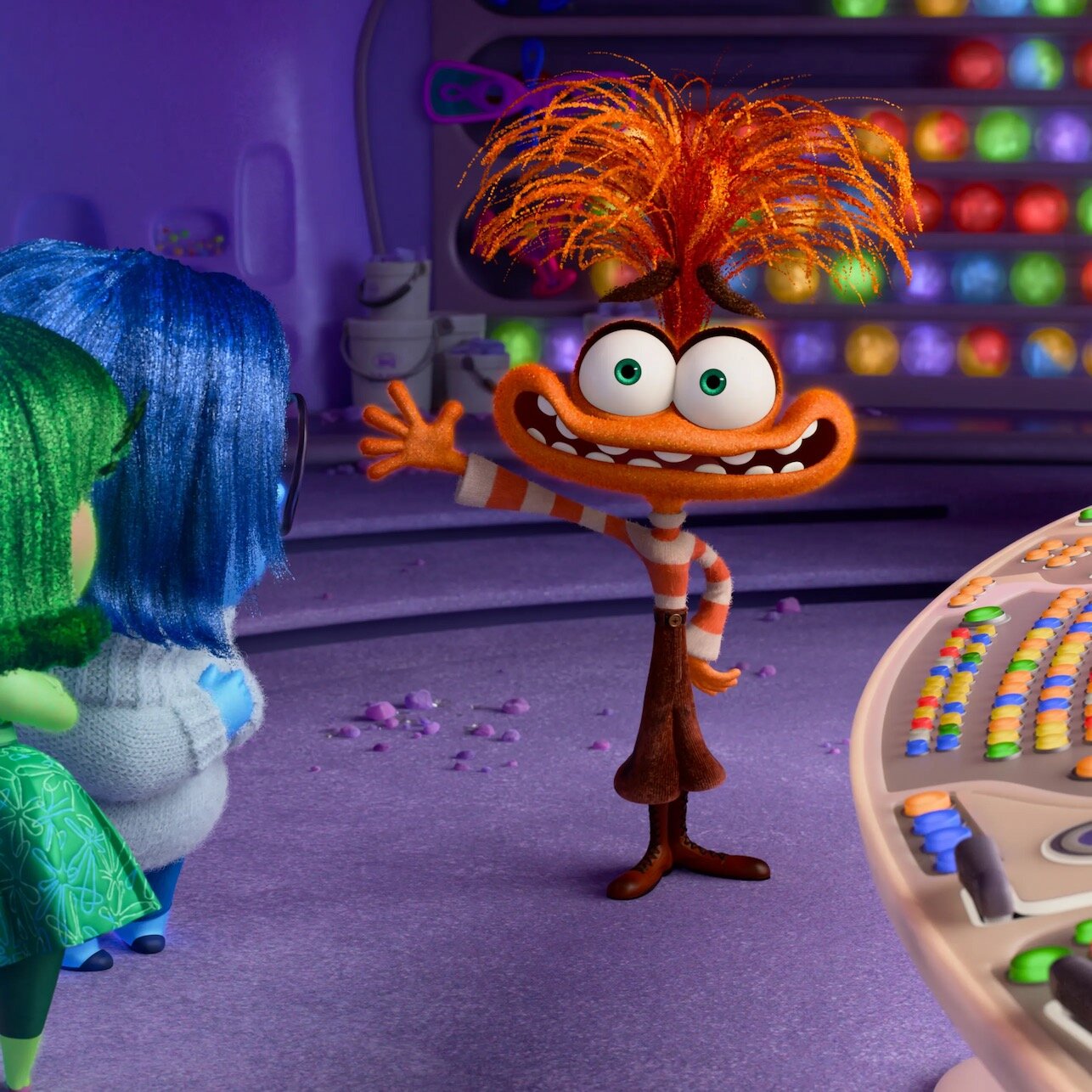
Anxiety, Inside Out 2, Disney Pixar
In particular, it has been found that exposure to certain building facades can increase stress in the organism by up to 30% compared to observing something else (or being in a different place).
Moreover, in the last letter, I told you that, due to how our brain functions, the environment in which we spend our time has an impact on:
- Our mood.
- Our productivity.
- Our psycho-physical well-being.
- Our social relationships.
- The sense of identity of a community.
And since you spend 90% of your time indoors, willingly or unwillingly, «your environment» is made up of buildings.
Architecture as medicine
“The phármakon contained within itself two powers: medicine and poison.”
—Marco Biraghi, «Paulo Mendes da Rocha / L'architettura come farmaco», 2020
Well. At this point, let's go back to the story.
I remember thinking:
«Does the world necessarily have to be this way? Do adults really live like this?»
Fast forward, many years later, I remember that childhood feeling and decide to become an architect.
I enroll in architecture school with the idea of «wanting to do something to help solve the problem».
(Yes, for me, feeling sad looking out the window was an urgent and important problem to solve, and as research shows, it truly is).
In 2021, architectural historian Marco Biraghi, in his book: «Questa è Architettura» (This is Architecture), talks about architecture as medicine:
- A medicine used well and in the right doses cures us.
- A medicine used badly or in wrong doses can poison us.
I share this thought because it was what, naively, led me to want to be an architect:
«If I change what makes me feel bad, maybe I can feel good.»
But using architecture as medicine obviously leads to the question:
«What is architecture?» (That is, what does the cure consist of?).
So, as soon as I arrived at university, in my first year, I started asking professors a question I thought was trivial: «What is architecture?».
Like: «Okay, I want to be an architect, but what exactly have I chosen to do in life?»
I ask it in the first year, then in the second, third, fourth, fifth. Never an answer.
Someone cited vague definitions from other architects, someone else changed the subject, avoiding answering.
And pay attention: before I didn't tell you about a world without nature (not only), I told you about a world of construction, without architecture.
(Is there a difference between the two?).
The question remained unanswered, like a nagging thought.
So, once I graduated (the equivalent of an economics graduate who doesn't know what economics is), I decided to look for an answer on my own.
(With great effort and months of research).
To help solve problems, to use architecture as medicine (in a positive sense), a direction is needed, a North Star to strive for, something that resembles, in fact, a «definition».
«What is Architecture?» 2 and a half dead ends.
1-Le Corbusier: volumes and light.
“Architecture is the intelligent, rigorous, and magnificent play of volumes under light.”
—Le Corbusier—Towards a New Architecture.
Le Corbusier's definition is undoubtedly the most widespread and adopted among architects; everyone knows it and everyone uses it.
Yet, reading it, I was not satisfied.
Suggestive and poetic, as much as it captures certain aspects, it seems to me to lack many elements.
After all, I believe that, looking at these two photos, you and I agree that the two things «are not the same thing».
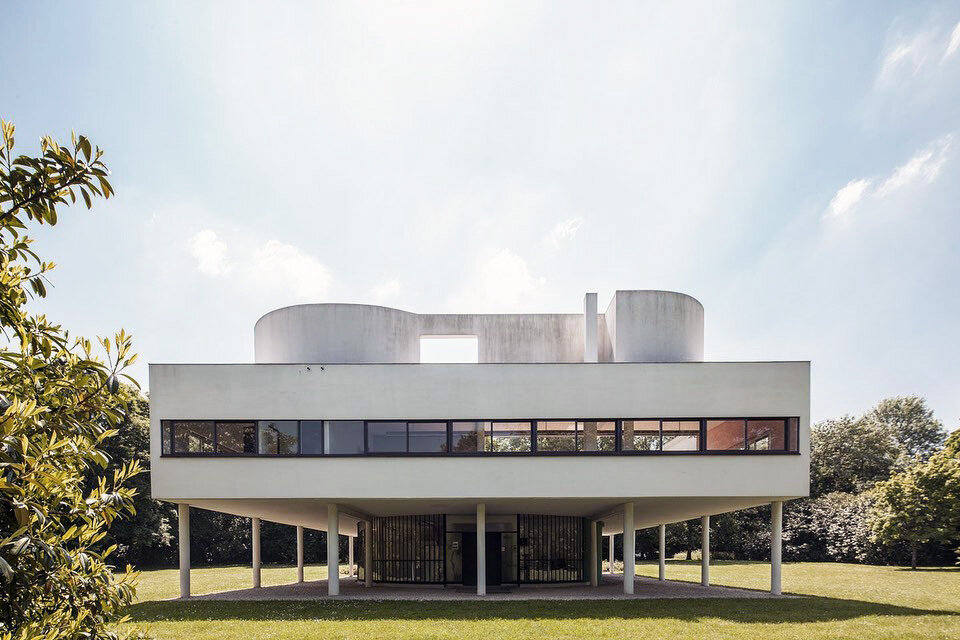
"The intelligent, rigorous, and magnificent play of volumes under light." Villa Savoye, Le Corbusier, Poissy, 1931
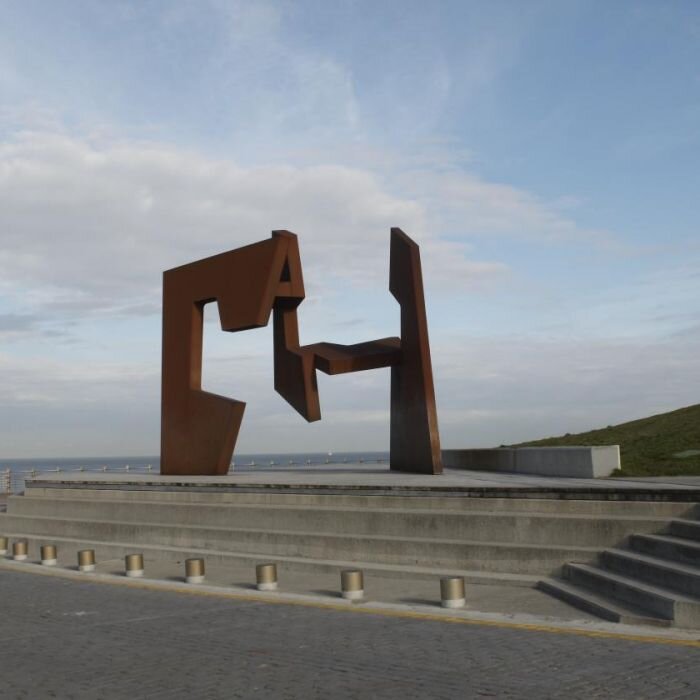
"The intelligent, rigorous, and magnificent play of volumes under light." Jorge Oteiza, Empty Sculpture, San Sebastian, 2009
You and I agree that the first photo shows a building, while the second shows a sculpture.
Yet, according to the definition, they are both «volumes under light», so they should be the same thing.
This definition is so widespread and still adopted today that, in fact, buildings increasingly resemble sculptures, and sculptures, always larger, increasingly resemble buildings.
It seems to me that something is missing in this vision. Perhaps because the «External Function» is missing, but this interpretation still seems vague and not very operational to me.
2-Construction and Architecture
“Construction – the action of building something, typically a large structure.”
“Architecture - the art or practice of designing and constructing buildings.”
Today, the words «edilizia» (construction) and «architettura» (architecture) are used daily as synonyms, even looking in Wikipedia or an encyclopedia, we find more or less the two definitions I reported.
In essence, they are the same thing.
Yet, even this time, I believe that you and I, when looking at two photographs of offices like these, would agree that «they are not the same thing».
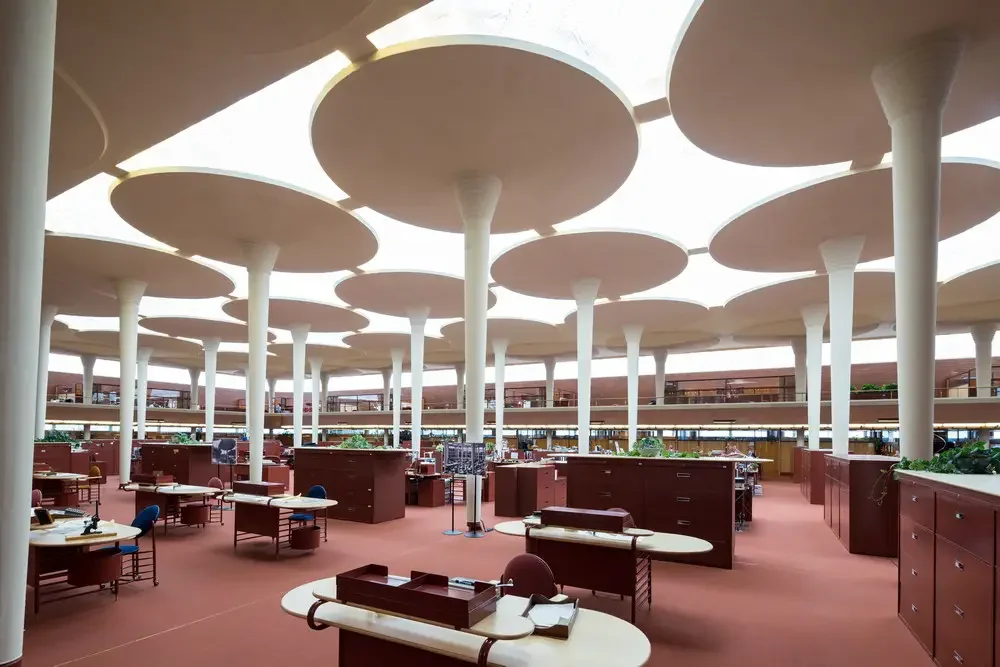
S.C. Johnson Offices, Frank Lloyd Wright, Racine, 1939
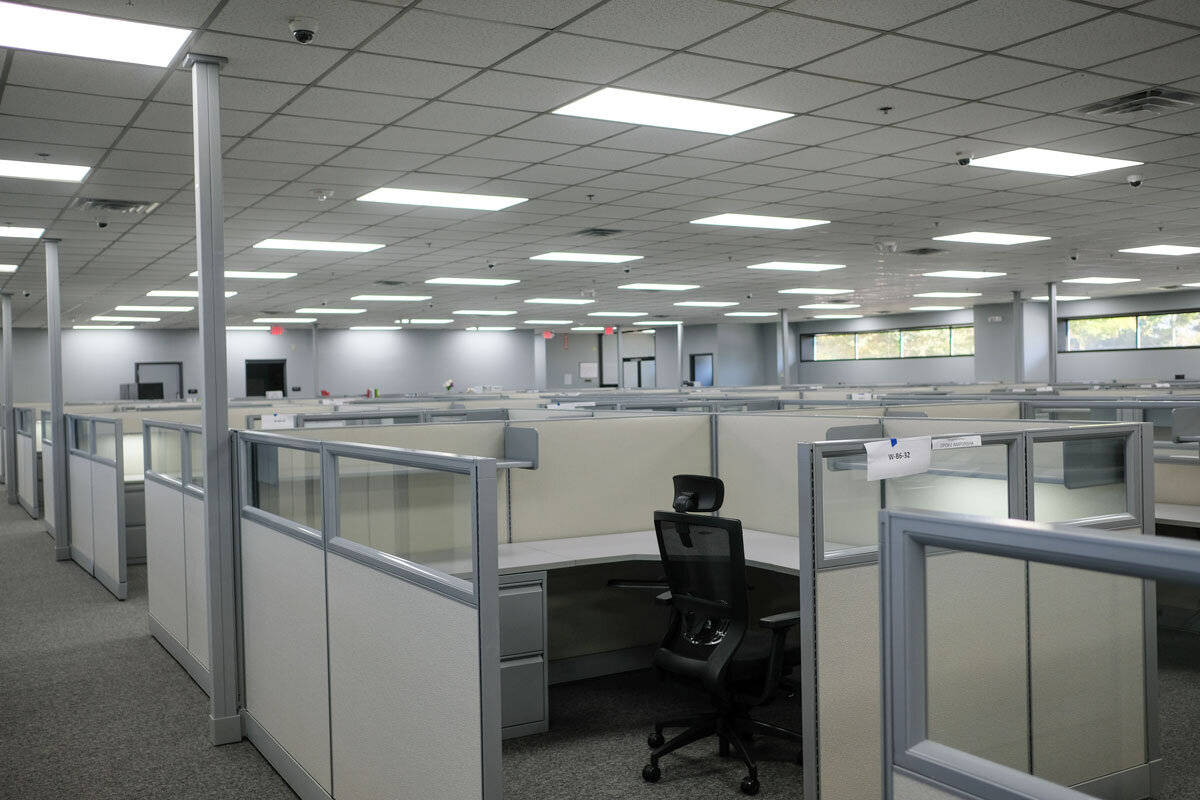
Office Building, 2025
In a work of architecture, there is more than in a work of construction.
Certainly, in building a work of architecture, construction is needed, but construction alone is not enough for it to be architecture.
Once again, I feel (and I hope you feel it too), that there is a difference between the two things. Here I begin to wonder where the differences lie.
My goal is not a linguistic whim; I am not interested in «writing a dictionary definition», but in posing an operational, practical question.
The basic idea during this research is that, if it is true that architecture can be a medicine, something important is escaping me along the way.
But what?
(Imagine that, at this stage, I still knew nothing about research in other fields that I told you about).
2.5-Frank Lloyd Wright, Alvar Aalto, Louis I. Kahn, Oscar Niemeyer,Yoshio Taniguchi,
The missing piece of the puzzle.
After months of research among ancient, modern, and contemporary architects:
- The ancient Roman Vitruvius speaks of solidity, utility, and beauty as criteria of goodness in building (it is not a definition, as is mistakenly believed; in fact, if used as a definition, it does not distinguish an armchair from a building).
- Some speak of «social activity», of «truth», of «art of building», of «will of the era», of «events».
- Others say that «everything is architecture»…
Finally, I come across five quotes, which I report, that strike me like lightning—a shock—and make me reflect:
“Architecture is life; or at least it is life itself taking shape.”
—Frank Lloyd Wright
"Architecture is the art of reconciliation between us and the world."
—Alvar Aalto
“Architecture is the thoughtful making of spaces.”
—Louis I. Kahn
“Architecture is just a pretext, what's important is life, what's important is man, this strange animal who has a soul and feelings, and a hunger for justice and beauty.”
—Oscar Niemeyer
“Architecture is, in essence, a container for something. I hope they appreciate not so much the teacup, but the tea.”
—Yoshio Taniguchi
Suddenly everything seems obvious to me, and perhaps it truly is obvious.
It seems clear as day that, if I want to understand architecture, I must stop looking at architecture and try to understand people!
That's what was escaping me in the previous definitions!
They were all focused on the container (the teacup); man was missing (the tea)!
Since the purpose for an architect is to build a building, in daily practice, we lose sight of the fact that the building is a means to something else, not an end.
In short, we work so much on the container that we forget the content.
The ultimate, real goal is to allow life to express itself in all possible ways (in all its facets and complexities).
The difference is subtle; the goal is to allow life to express itself, not for the architect to express himself. (Another big difference from sculpture).
As the architect Louis I. Kahn aptly said:
“A sculptor can put square wheels on a cannon to express the futility of war. Unfortunately, the architect must use round wheels if he wants to transport his stone from one place to another.”
So: If you want to express yourself as a person:
write a poem, paint a picture, create a sculpture… but do not construct a building.
Simply, it is not the right medium.
Architecture has more to do with «serving» than with the expression of one's ego or one's «style».
I emphasize the obvious: the personal part cannot be eliminated.
The architect is a person (or a team), so everything he does will be «his version» of that thing, but in a sense, he should limit the personal component (the dogma of his «style») and create the right framework to allow as much freedom as possible for life to express itself.
It suddenly seems clear to me that architecture has to do with a person's relationship with themselves, with relationships between people, between things and people, between the world and people.
To be a habitat, it has more to do with hard sciences and human sciences than with «artistry» as we normally understand it.
At this point, my research (still ongoing), shifts from buildings to people and, above all, from architecture to other fields, such as psychology, neuroscience, sociology, biology, physics, religions, and philosophy, to try to understand at least «what is a man?».
Here I want to defend all architects, especially in Italy, debunking two stereotypes due to the fact that no one quite understands what they do:
You see how vast and complex the mix of skills to possess, or with which to be able to relate, is.
Humans are complex; it goes without saying that their environment must be very complex, and it is becoming increasingly so.
Architects think, design, and deal with all of this.
So NO:
- They don't just do the "little drawing" or the "floor plan".
- They don't "just" serve to submit the "paperwork" to the authorities because "it has to be done".
Returning to the story, as I begin to approach all these other fields (which are the topics I talk about in these Letters), I am drafting a «definition» that, in my opinion, begins to fit and that I would like to share with you.
I admit, it is still «work in progress», it is not carved in stone, nor do I have the arrogance to have «the solution» (does «the» solution exist?).
But it seems to bring some clarity to the debate and, in its simplicity and obviousness, points in the right direction.
Summarizing everything and fitting the pieces of the puzzle together, I could define architecture as:
«The Art of Expressing Life, in Form.»
«The Art of Expressing Life, in Form.»
Art
In Italian, the word «arte» (art) has two main meanings that architecture encompasses.
- Art understood as the ability to act and produce, based on rules and cognitive experiences: the «rule of art».
In this sense, even «doing science» is a form of art if done correctly.
So scientists are also «artists».
As are the blacksmith, the bricklayer, the carpenter, the doctor….
This meaning allows us to include the technical and scientific dimension of doing architecture in the word «art».(Many arts are needed together, as we have seen).
- Art also indicates a cultural product.
This includes the psychological dimensions and collective communicative needs we discussed last time.
In both senses, architecture is a form of art.
This, in my opinion, is important because they are two forms of «check» that monitor each other.
If I only have the first, I am moving towards construction (edilizia).(The Internal Function is missing).
If I only have the second, and it is pushed to the point of «personal expression», I am moving towards sculpture or other artistic forms. (The External Function suffers).
Express
To express something, it is necessary to:
- Listen: to people, society…
- Understand.
- Select between what is relevant (signal) and what is not (noise).
- Summarize (compress).
- Re-elaborate (creativity).
- Express with a language understandable to others.
Listen: It is necessary to listen to others and society, to intercept the directions we are taking, the problems to be solved (and thus the ever-new opportunities that architecture has to make itself useful), the messages to be communicated…
Empathy and sensitivity are needed.
All these things are always different as society changes and evolves.
(In this sense, architecture is the «spirit of the age»).
Understand: Once listened, one must understand what has been heard, comprehend relationships, causes and effects, unspoken things.
Select: Then, as in everything, some things will be useful, others will be discarded.
In deciding what is relevant and what is not, much lies in the arbitrary, the «personal».
Here also lies the possibility of «going against the grain», of choosing certain things and not others.
Summarize: Even the summary is personal; it is a matter of values and hierarchies of importance in the person summarizing.
There is no «neutral summary». (No, not even if ChatGPT does it).
Re-elaborate: Re-elaboration is undoubtedly the most personal phase of all, because it depends on the connections in the mind of the person doing the re-elaboration.
Yes, even in an age of AI and extremely complex software, everything will depend on the questions asked and their quality, on how the problem is set up… and this is human.
Express: Here we arrive at the final elaboration, at what it will be.
However, communication always occurs between two subjects.
Just as when we speak, here too, I am saying something, but you derive the meaning based on your experiences.
The meaning (and thus also the sensations) is formed in those who experience architecture; we cannot control this.
(And perhaps this is what makes it beautiful, everyone attributes different sensations).
When in doubt, it is advisable to try to speak as clearly as possible, and today science is beginning to give us data on what works and what doesn't.
Moreover, expression depends on many other factors, such as available technologies, budget, climate, environment, landscape, culture, and type of society…
This offers variety, adaptability, improvement, evolution, survival.
Life
Life encompasses both the «External Function» and the «Internal Function» that we knew from Maslow's Pyramid.
Life is a complex system; therefore, to be expressed and «contained», it requires a complex «container».
In my opinion, life also includes death, so even cemeteries can fall within this definition.
Form
We have already discussed the fact that «form is function».
We have seen that form is the language we use in buildings to communicate.
They are the «words» a building uses to express itself.
So form is the instrument, the medium, that makes measurable and visible what is invisible and unmeasurable. (The sense of security, belonging, esteem…).
As we saw with Steve Jobs:
The content is more important than the form, but without form, no one sees the content.
Packaging matters as much as the product.
In particular, speaking of packaging and boxes, I am referring both to the walls of the box and to the space it contains.
If it is true that the content is the life that unfolds; then what matters is the space, that is, the void «between» the walls.
But it is also true that if something is «between» the walls, it is because there are walls!
So, the walls are the «packaging» of life.
The walls define a space and trigger in us the sensations and emotions that the form, precisely, should evoke.
This interpretation is very distant from what we saw at the beginning with «Volumes sculpted in light».
There, the object was evaluated.
Here, it is evaluated based on its ability to relate and interact with us and with the world.
A practical example of application
The Pantheon (Rome).
I would like to test this definition to see:
- if it is practical enough to actually be used as a compass;
- if it is flexible enough not to make distinctions between styles, eras…
As a test run, the Pantheon is a building that has always fascinated and moved me.
Built in 27 BC by Marcus Vipsanius Agrippa, who was asked to erect a temple dedicated to all deities, past, present, and future.
A very difficult task, I would say.
If you don't know it, I offer you two photos: one exterior and one interior.
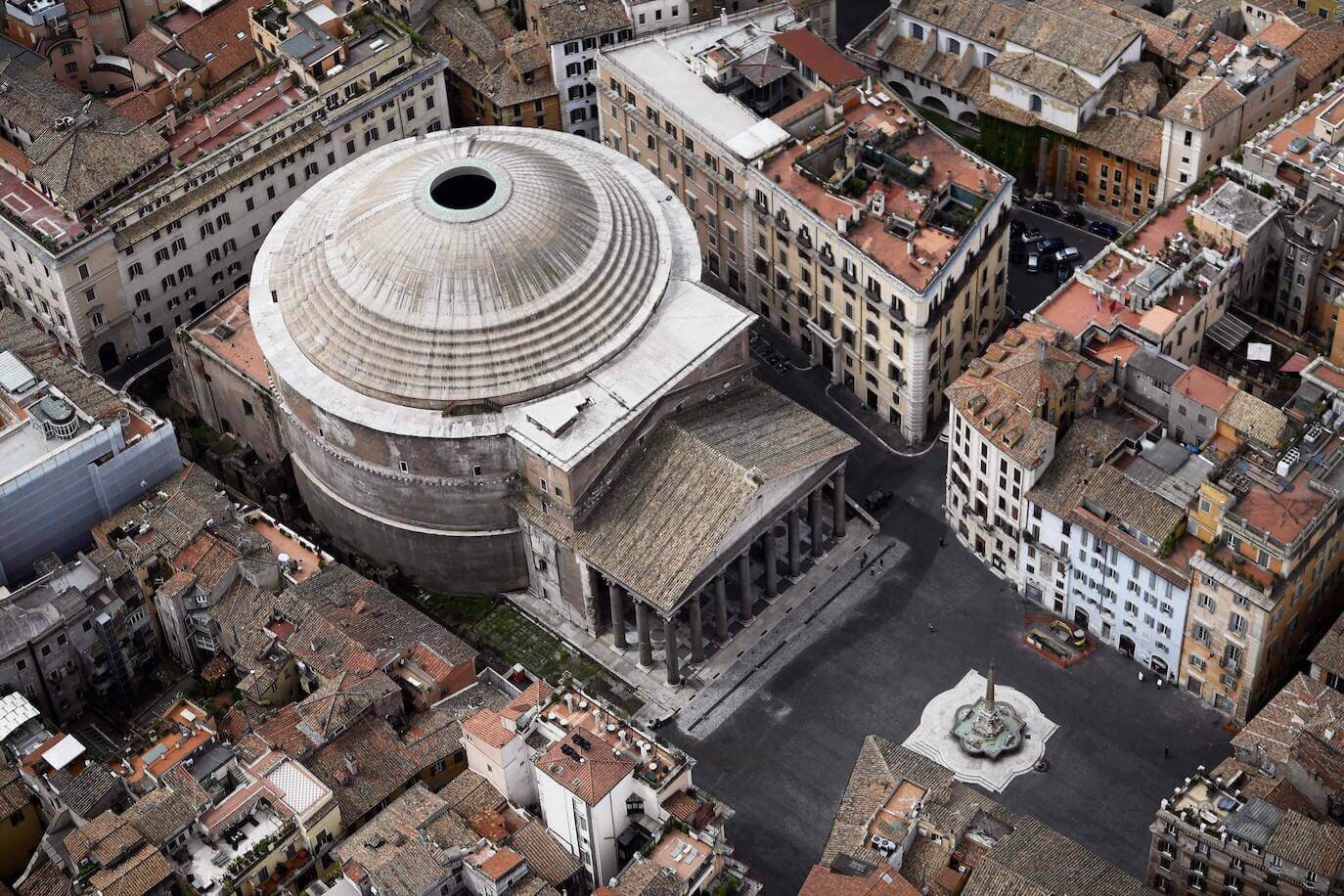
Pantheon, exterior, Marcus Vipsanius Agrippa, Rome.
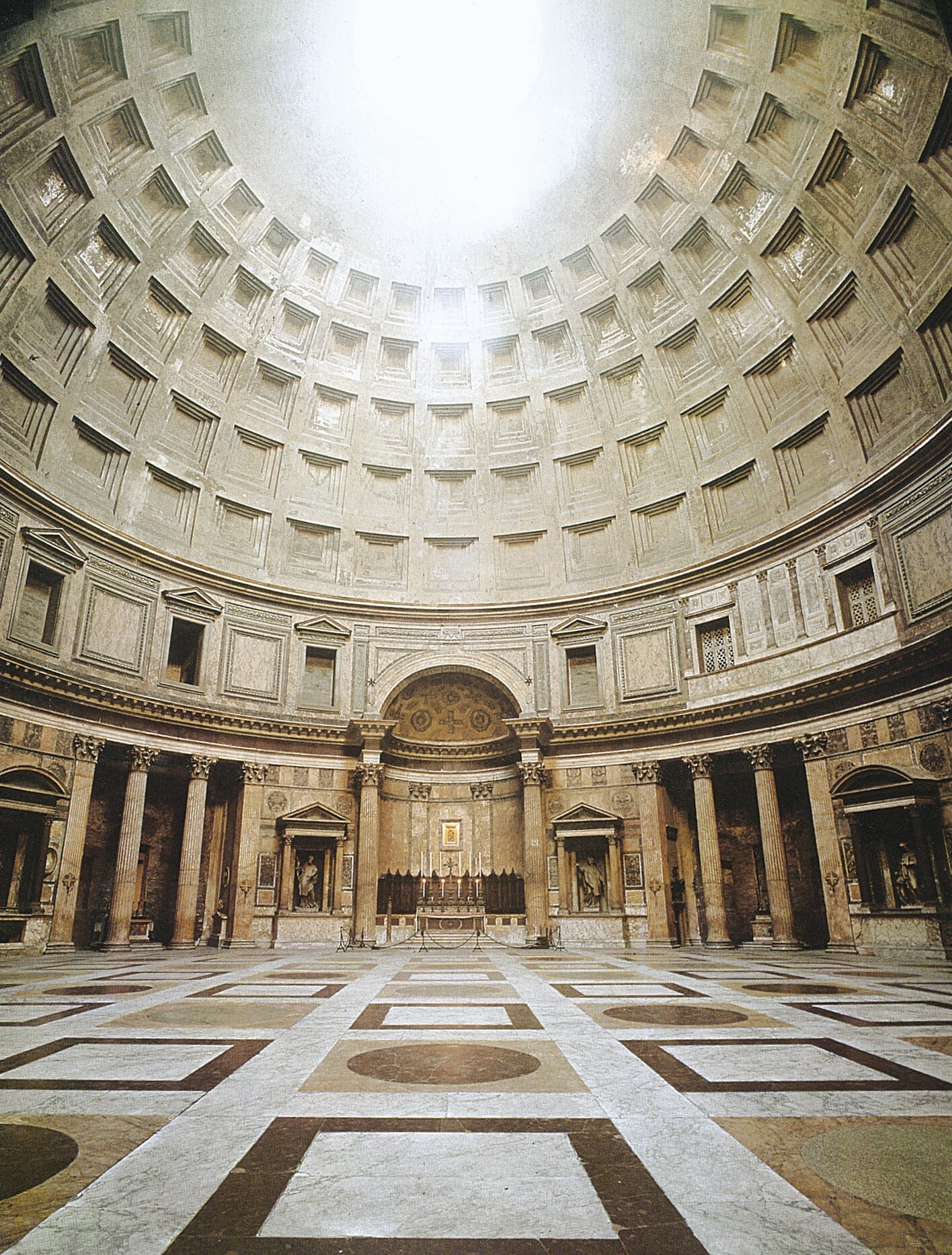
Pantheon, interior, Marcus Vipsanius Agrippa, Rome.
Art, understood as rule of art:
it was a cutting-edge building in conception and technology; every detail is impeccable and well executed. Circulation is free, there is a lot of space.
From a «practical» point of view, it works very well.
But it rains inside; yet this makes sense in the «Internal Function».
It has been standing for more than 2,000 years; I think that's enough to confirm this point…
Art as communication, Expression, Life, and Form: I consider them together.
The psychological part is satisfied: from the outside, you immediately understand the entrance and how it works; the building «guides» without signs.
The emotional part is felt instinctively; the building «reaches» me. It seems present.
The geometry is rich, complex, pleasing.
The central light and the contrasts of light and shadow in the niches and on the vault make the environment truly rich.The brain certainly doesn't get bored.
It seems clear to me that there is a cultural message here, that the building speaks.
Inside, the pavement is a circumference with symmetrical niches, while the ceiling is a vault.
There are no corners, edges, or predominant directions over others.
The only exceptions are:
- the entrance door,
- the oculus in the vault,
- the niche at the back.
A message seems clear to me:
«On earth (the pavement), men are equal; before the emperor (the niche at the back) and under all the gods (the vault).».
The oculus is the «door» to heaven: welcoming sun and rain, the space gives meaning to the opening.
It is not the object that is judged, but the relationship it establishes.
The reasoning seems sound to me, the message is clear and powerful, the psychological and symbolic life seems well present and expressed, the form tells this story well.
Could Agrippa have done otherwise?
Could it have been interpreted and communicated differently?
Almost certainly yes, but that's the beauty of architecture: this is Architecture.
That's all for this Letter too.
Summarizing:
- Buildings are means, not ends. Evaluate them by what they enable in life.
- Form makes well-being perceptible and measurable. Evaluate symbolic and psychological aspects equally with practical ones; it's the brain that controls your body, not vice versa.
- Architecture as medicine. We have distinguished between architecture and construction (edilizia); it seems clear to me that the former is beneficial, the latter is harmful.
Can we start taking the right medicine?
I hope I have given you some useful ideas.
I will write to you in two Saturdays with new reflections and insights, as I delve deeper into my research and share them with you.
Have a great weekend,
—Nicholas
P.S. Feel free to leave a comment under here to tell me what you think about it.